Ethereum: Blockchain-based Poll/Voting Systems
In recent years, the concept of blockchain technology has gained significant traction in various applications, including electoral systems. One such application is Ethereum-based poll/voting systems, which provide a secure and transparent way to conduct elections. In this article, we explore the best ways to ensure that no one votes more than once and to keep votes secret in an Ethereum-based poll/voting system.
Ensuring Non-Exclusivity
To prevent voters from voting multiple times, it is important to implement a mechanism that prevents duplicate registrations or votes. Here are some approaches:
- Unique Addressing: Each voter can be assigned a unique Ethereum address that serves as their identifier in the poll. This address can be used to verify and track individual votes.
- Signature-Based Verification: Voters can sign their votes using their private key (public key). The signature is then verified by the Ethereum network to ensure that only one voter cast the vote.
- Smart Contract-Based Voting: A smart contract can be deployed on the blockchain that automates the voting process. The contract verifies and tracks each vote, preventing duplicates.
Keeping Votes Secret
In addition to ensuring non-exclusivity, it is also important to protect voters’ votes from disclosure or tampering. Here are some approaches:
- Encryption: Votes can be encrypted using public key cryptography (RSA) or other symmetric encryption algorithms. This ensures that the encrypted votes cannot be decrypted even if the voting system code is compromised.
- Hash Functions
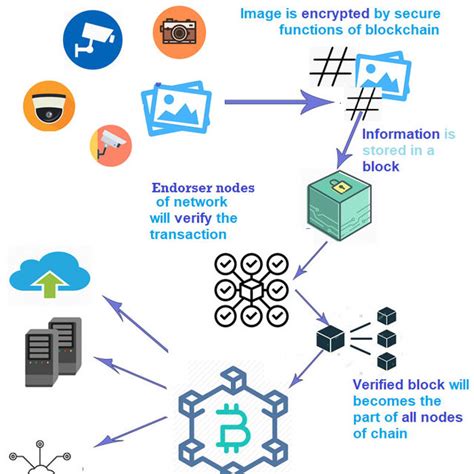
: Votes can be hashed and stored on a blockchain, making it difficult to recover the original vote without the associated private key.
- Secure Election Protocols: Protocols such as EVM (Ethereum Virtual Machine) and SPV (Simple Proof of Verification) provide secure voting mechanisms that protect voters’ votes from being tampered with or altered.
Implementation Considerations
When implementing an Ethereum-based poll/voting system, consider the following:
- Scalability: Make sure the system can handle a large number of users and votes without affecting performance.
- Interoperability: Design the system to be compatible with other blockchain networks or voting systems.
- Security Audit: Conduct regular security audits and penetration tests to identify potential vulnerabilities.
Conclusion
Ethereum-based poll/voting systems provide a secure, transparent, and decentralized way to conduct elections. By implementing unique addressing, signature-based verification, smart contract-based voting, encryption, hash functions, and secure voting protocols, voters can cast their votes with confidence while maintaining the integrity of the system.